
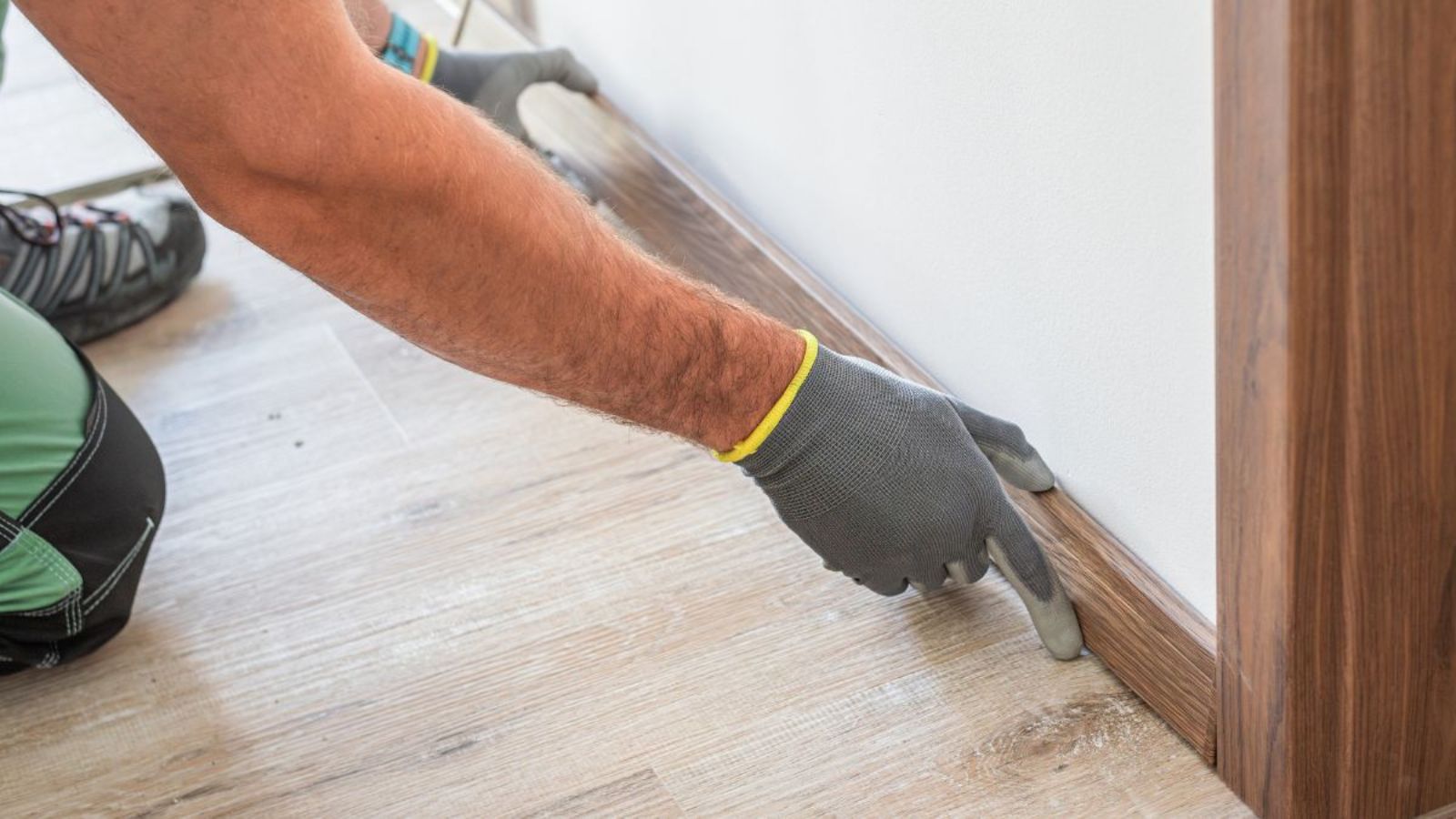
As temperatures begin to drop, commercial buildings often reveal maintenance issues that attracted little attention during warmer months. Doors become harder to open, trim starts pulling away from walls, and built-in casework no longer functions as smoothly as it once did.
While these problems may seem minor, they can affect daily operations if left unaddressed. In many cases, they reflect years of gradual wear rather than a sudden failure.
Planning commercial carpentry upgrades before winter allows property owners and facility managers to address these concerns before colder weather, holiday schedules, and increased indoor activity make repairs more difficult to coordinate.
Seasonal Changes Often Expose Existing Wear
Commercial buildings naturally expand and contract as temperature and humidity levels change throughout the year. Finish carpentry responds to these conditions, which is why small issues that developed gradually over several seasons often become easier to identify during the fall.
Common changes property managers may notice include:
- Doors that begin sticking after months of operating normally
- Small gaps appearing around trim and moldings
- Cabinets and drawers becoming harder to open or close
- Existing wear becoming easier to identify during routine maintenance
Rather than waiting until these issues interrupt daily operations, property owners and facility managers can include commercial finish carpentry in seasonal building evaluations. Identifying developing problems early provides more flexibility to schedule repairs before winter maintenance calendars become busier.
Commercial Doors That Begin Sticking Should Not Be Ignored
Doors are often the first carpentry components to reveal seasonal movement. An entrance that operated normally throughout the summer may begin dragging, sticking, or refusing to latch properly as temperatures change.
Common signs include:
- Doors that drag across the floor
- Latches that no longer engage consistently
- Gaps between the door and frame
- Loose hinges or worn hardware
- Doors that require extra force to open or close
Why Early Repairs Matter
In commercial buildings, doors do more than provide access. They support security, accessibility, and the smooth movement of employees, customers, tenants, and visitors throughout the building. Depending on the door and its location, proper operation may also be important to the performance of a fire-rated opening.
Commercial carpentry contractors typically begin by evaluating the hinges, hardware, frame alignment, and surrounding conditions before recommending replacement. If the same door continues requiring adjustments from season to season, the problem may extend beyond a single piece of hardware.
Addressing these concerns before winter can help:
- Maintain reliable access throughout the building
- Reduce unnecessary stress on hinges and hardware
- Limit unexpected maintenance during colder months
- Keep entrances and interior openings operating properly
Worn Trim May Indicate More Than Everyday Use
Commercial trim protects walls while absorbing regular contact from carts, cleaning equipment, furniture, and daily foot traffic. In offices, schools, healthcare facilities, senior living communities, and other high-traffic buildings, this wear often develops gradually.
Common warning signs include:
- Loose or separating trim
- Cracked joints
- Water staining or discoloration
- Repeated patch repairs
- Sections damaged by frequent impacts
Looking Beyond Surface Damage
During an evaluation, contractors look beyond the visibly damaged section. Trim that repeatedly separates or deteriorates may point to conditions that deserve closer attention, including:
- Minor moisture exposure
- Building movement affecting finish materials
- Inadequate support behind the trim
- Previous repairs that did not address the underlying cause
When repairs have accumulated across the same wall or corridor, replacing a longer section of trim may create a better fit and a more consistent appearance than completing another isolated patch.
Outdated Casework Can Limit Workplace Efficiency
Commercial buildings rarely operate exactly as they did when they were first constructed. Offices add technology, healthcare facilities introduce new equipment, schools adapt learning environments, and tenant spaces change to accommodate new business needs.
Built-in casework that once supported those operations may gradually become less practical.
Signs that architectural casework should be evaluated include:
- Cabinet doors that no longer align
- Drawers that stick or fail to close properly
- Damaged laminate or wood surfaces
- Storage layouts that no longer support current workflows
- Shelving that has become loose or unstable
- Existing cabinets that cannot accommodate newer equipment
When Modification Makes More Sense
During renovation projects, contractors frequently find that the cabinet boxes remain structurally sound. The challenge may be the configuration, hardware, exterior components, or work surfaces rather than the entire casework system.
Depending on how the space is used, improvements may include:
- Reconfiguring storage areas
- Replacing worn doors or drawer fronts
- Updating work surfaces
- Repairing or replacing hardware
- Modifying cabinetry to accommodate newer equipment
Updating selected components can extend the useful life of existing casework while improving daily functionality without requiring every built-in unit to be removed.
Coordinate Carpentry with Other Building Improvements
Commercial carpentry work rarely happens in isolation. Door installation, trim replacement, casework modifications, painting, flooring, and other interior improvements often affect one another.
Planning these updates together can help avoid unnecessary rework. For example, replacing damaged trim before painting creates a cleaner finished result, while coordinating casework modifications with new flooring or equipment installation can help prevent scheduling conflicts.
For occupied commercial buildings, thoughtful coordination is especially important. Property owners and general contractors may need to schedule work around tenants, employees, students, residents, patients, or customers.
Including carpentry improvements in a larger seasonal maintenance or tenant improvement plan can help reduce disruptions and create a more efficient project schedule.
Fall Provides More Time for Thoughtful Planning
Scheduling carpentry work before winter is about more than favorable weather. It also provides time to evaluate conditions that may only become visible after damaged materials are removed.
Repairs may occasionally uncover issues such as:
- Moisture damage behind trim or casework
- Deteriorated blocking or support materials
- Minor framing repairs
- Previous alterations that need correction
Discovering these conditions during a planned project allows the work to be evaluated and addressed without the urgency that often accompanies emergency maintenance.
Fall planning also gives property owners, facility managers, and general contractors more flexibility to coordinate commercial carpentry with other scheduled improvements before winter and holiday calendars become more restrictive.
Prepare Commercial Interiors Before Winter
Sticking doors, worn trim, and outdated casework often develop gradually, making them easy to overlook during daily operations. A seasonal building evaluation provides an opportunity to identify these concerns before they become more disruptive.
Planning commercial carpentry upgrades early allows repairs to be scheduled rather than rushed. Whether the project involves commercial finish carpentry, doors and hardware, architectural casework, or tenant improvements, addressing these issues before winter can help keep the building functional, professional, and prepared for the months ahead.
Contour Construction | Commercial Carpentry Omaha, NE
Are you looking to elevate your commercial space with unique carpentry designs? Consult with a skilled carpenter to discuss how you can incorporate custom woodwork into your business's interior design strategy.
Contour can complete large and small carpentry and concrete projects:
- Multi‐Family Residential
- Commercial
- Educational
- Small-scale tenant improvement and build-out projects
- Senior Living Facilities
- Churches
- Schools
Contact Contour Construction to outline your performance in carpentry on your next project. Click to check out our services, and projects, or contact us today
We are currently hiring. If interested, please click on Careers and contact us.
