
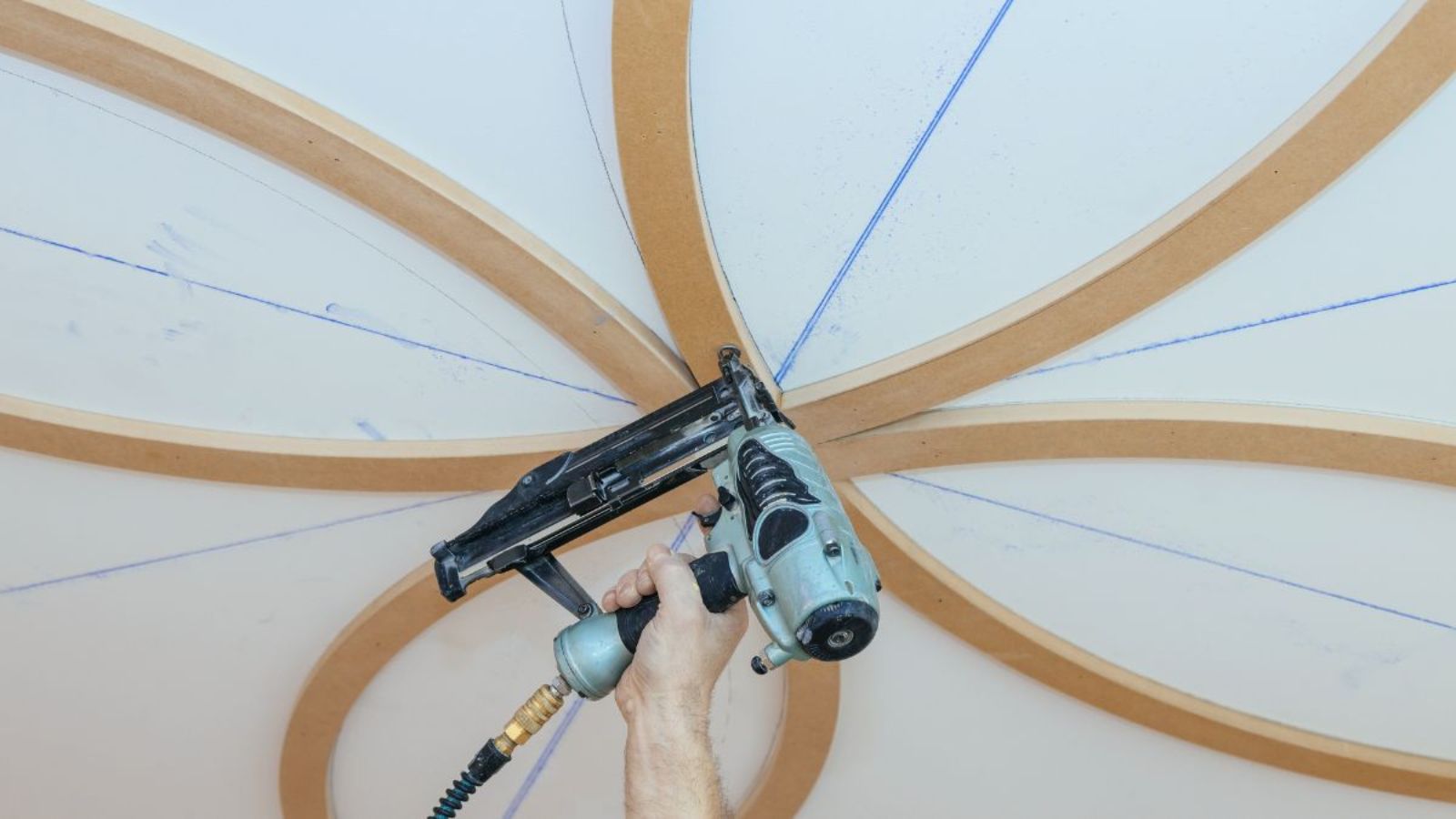
Trim and hardware installs are essential in multi-unit construction projects. Proper coordination requires careful planning, precise execution, and clear communication between teams. Poor management can lead to delays, higher costs, and uneven finishes, where small errors repeat across multiple units.
Multi-unit projects involve repeated processes, making standardization important. Well-managed trim and hardware installs improve efficiency, keep work on schedule, and ensure all units meet project specifications.
This article outlines key planning steps, common challenges, and best practices for managing trim and hardware installs across multi-unit projects. It also highlights ways to improve coordination, reduce errors, and maintain consistent results across all units.
Managing Trim and Hardware in Multi-Unit Projects
Planning and Scheduling for Multiple Units
Effective planning is important for managing trim and hardware installs in multi-unit projects. Schedules should include material delivery, team availability, and coordination with other trades. Proper sequencing prevents conflicts and keeps work organized.
Key Planning Steps
- Check all trim and hardware before starting installation.
- Arrange units in a logical order to avoid repeating setup.
- Work with plumbing, electrical, and drywall teams to prevent rework.
Using the same trim and hardware across units ensures uniformity. Consistent finishes, styles, and models make installation easier and reduce mistakes.
Common Challenges in Trim and Hardware Installs
Trim and hardware installs can encounter several challenges that affect project quality. Understanding these issues early allows proactive problem-solving and reduces costly corrections.
Water or Moisture-Related Issues
Moisture in new construction or recently dried plaster can affect trim placement. Warping, swelling, or misalignment may occur if materials are installed prematurely. Allowing adequate acclimation time and checking humidity levels helps prevent damage to trim and associated storage devices.
Material Damage or Shortages
- Broken or missing hardware can halt installation and delay multiple units
- Incorrect trim sizes require cutting adjustments that slow progress
- Inspect deliveries immediately to identify defects and verify quantities
Maintaining accurate documentation of trim and hardware installs across units is another challenge. Tracking which units have completed installations and recording any adjustments or defects ensures accountability and easier follow-up.
Installation Best Practices for Trim and Hardware
Applying consistent methods across units helps maintain quality and reduces rework. These practices also make managing trim and hardware installs more predictable for all involved teams.
Alignment and Leveling
Proper alignment is critical to avoid uneven finishes and gaps. Tools such as levels, spacers, and templates allow repeatable precision.
Measuring multiple times before securing trim ensures each unit meets project objectives and supports overall product or service quality.
Fastening and Attachment Methods
- Use manufacturer-recommended screws, nails, or anchors to prevent loosening
- Avoid over-tightening hardware to reduce material damage
- Follow consistent spacing patterns to maintain a uniform appearance
Coordination With Other Trades
- Schedule installations after painting or flooring is complete to avoid damage
- Communicate installation timelines with contractors for other systems
- Ensure accessibility for ongoing maintenance or adjustments
Troubleshooting and Quality Control
Even with careful planning, trim and hardware installs may encounter unexpected issues. Effective troubleshooting minimizes delays and ensures each unit meets project standards.
Monitoring internal and external conditions helps maintain performance and reduces failures due to environmental or operational factors.
Misaligned or Damaged Trim
- Inspect each piece for alignment and fit before securing
- Replace cracked or chipped trim promptly
- Adjust hardware placement for consistent spacing across units
Hardware Malfunctions
Hardware components such as door handles, hinges, and locks may not function correctly if improperly installed. Testing each unit ensures proper operation and prevents problems for occupants after project completion.
Post-Installation Review
Conducting final inspections ensures all trim and hardware installs meet project specifications. Checking units for uniformity, alignment, and functionality confirms a consistent, high-quality finished product. Documenting results provides a record for follow-up and helps resolve any issues efficiently.
Post-installation reviews also give project managers and team members valuable insights to improve future projects. This process supports continuous improvement, reinforces quality standards, and helps maintain customer satisfaction across all units.
Contour Construction | Commercial Carpentry Omaha, NE
Are you looking to elevate your commercial space with unique carpentry designs? Consult with a skilled carpenter to discuss how you can incorporate custom woodwork into your business's interior design strategy.
Contour can complete large and small carpentry and concrete projects:
- Multi‐Family Residential
- Commercial
- Educational
- Small-scale tenant improvement and build-out projects
- Senior Living Facilities
- Churches
- Schools
Contact Contour Construction to outline your performance in carpentry on your next project. Click to check out our services, and projects, or contact us today
We are currently hiring. If interested, please click on Careers and contact us.
