
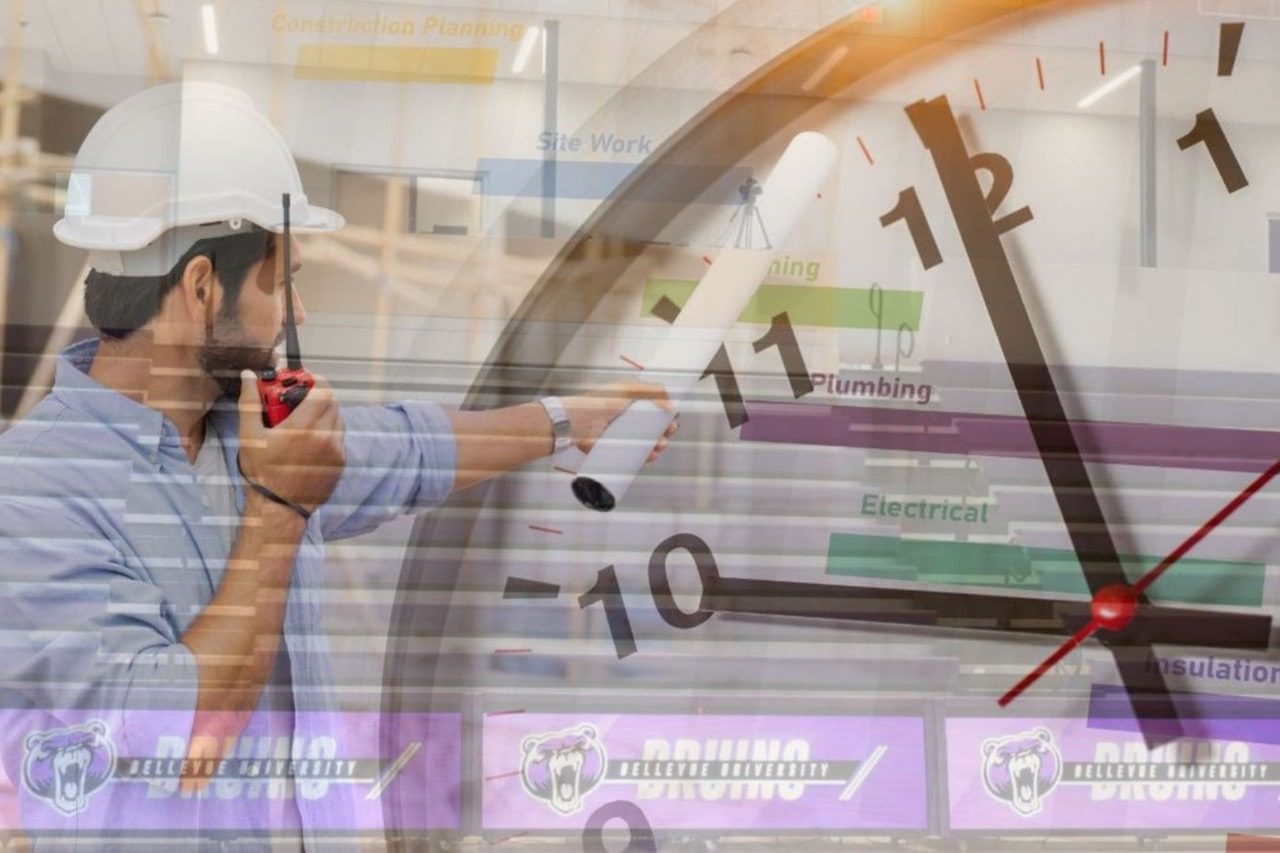
Finish carpentry standards play a key role in keeping commercial construction schedules on track. These standards define how materials are handled and installed with precision while supporting safe and efficient work practices.
Many projects rely on the final stage of construction to meet deadlines and release final payments. When finish carpentry standards are followed from the start, teams reduce mistakes, avoid delays, and keep projects moving forward efficiently.
This article explains how finish carpentry standards support efficiency, reduce delays, and help maintain consistent project timelines.
What is Finish Carpentry?
Finish carpentry refers to the final stage of construction that focuses on detailed interior work. This includes trim, molding, cabinetry, and other visible elements that complete a space. Finish carpentry standards ensure these components are installed accurately and consistently.
This type of work requires precision and attention to detail. Unlike rough carpentry, finish work focuses on appearance, alignment, and proper fitting. Following established standards ensures clean results and a professional finish.
Finish carpentry also impacts overall project quality. Proper installation supports durability and reduces the need for corrections or rework. When done correctly, the final results meet both visual and functional expectations.
Planning and Material Preparation
Planning supports finish carpentry standards by ensuring materials and tools are ready before installation begins. This step reduces delays and improves coordination across teams.
Material inspection is a critical first step. Wood, trim, and moldings should be checked for warping, cracks, or defects. Identifying issues early helps prevent installation problems later in the project.
Accurate measurements are equally important. Pre-cutting materials based on verified dimensions reduces on-site errors and improves efficiency. Clear planning leads to consistent results and minimizes rework.
Key Preparation Steps
- Inspect all materials for warping, cracks, or damage
- Confirm measurements against project plans
- Store materials in a controlled environment to prevent damage
- Organize tools and supplies for efficient workflow
Installation Accuracy and Workflow Efficiency
Installation quality directly impacts the project timeline. Finish carpentry standards require proper alignment, secure fastening, and precise fitting to ensure work is completed correctly the first time.
Using project management tools or clear on-site communication helps track progress, identify issues early, and keep work aligned with the schedule.
Coordination between trades is also essential, as finish carpentry often overlaps with painting, flooring, and other final phases. Organized workflows reduce delays, prevent conflicts, and maintain jobsite efficiency.
Common Installation Issues
- Uneven trim alignment causing visible gaps
- Loose fasteners leading to unstable fittings
- Incorrect spacing between panels or moldings
- Delays caused by measurement errors
Quality Control and Inspection Processes
Regular inspections help keep finish carpentry work on track and ensure consistent quality throughout the project.
- Early checks confirm materials are ready for installation
- Mid-stage reviews verify alignment and accuracy
- Final inspections ensure all specifications are met
The table below outlines common issues and solutions:
| Issue | Cause | Action |
|---|---|---|
| Gaps between joints | Poor alignment or cutting errors | Recut and refit materials |
| Surface imperfections | Damaged materials or improper handling | Replace or refinish components |
| Loose trim pieces | Inadequate fastening | Secure with proper fasteners |
| Uneven finishes | Inconsistent installation | Adjust and realign sections |
Consistent inspection practices help prevent delays and ensure the final product meets project expectations.
Coordination and Communication on Site
Clear communication is essential for maintaining finish carpentry standards and keeping projects on schedule. Delays in one phase can impact the entire workflow, making coordination critical.
Strong communication ensures materials arrive on time and tasks are completed in the correct sequence. Quick problem-solving helps prevent downtime and keeps the project moving forward.
Ways to Improve Coordination
- Schedule tasks in a clear sequence to avoid conflicts
- Share updates across all teams daily for better communication
- Confirm readiness before starting each phase of work
- Address issues immediately to prevent delays
Maintenance of Tools and Work Environment
Proper tool maintenance and an organized workspace are essential for maintaining finish carpentry standards. Well-maintained tools improve accuracy and efficiency, while a clean work area reduces errors and prevents material damage.
Dull or damaged tools can slow progress and lead to inconsistent results. Routine maintenance ensures reliable performance throughout the project.
Best Practices for Work Environment
- Keep work areas clean and free of debris
- Store tools properly after each use
- Maintain consistent lighting for accurate work
- Perform regular equipment checks
- Address tool issues immediately to avoid delays
Keeping Projects on Track with Finish Carpentry Standards
Finish carpentry standards help ensure that final construction work is accurate, organized, and completed on schedule. When proper planning, installation, and inspections are followed, teams can reduce delays and maintain consistent quality.
Strong coordination, routine maintenance, and clear processes all contribute to steady progress. These practices help minimize errors, reduce rework, and keep projects moving efficiently from start to finish.
Applying finish carpentry standards throughout the project protects timelines and supports successful outcomes.
Contour Construction | Commercial Carpentry Omaha, NE
Are you looking to elevate your commercial space with unique carpentry designs? Consult with a skilled carpenter to discuss how you can incorporate custom woodwork into your business's interior design strategy.
Contour can complete large and small carpentry and concrete projects:
- Multi‐Family Residential
- Commercial
- Educational
- Small-scale tenant improvement and build-out projects
- Senior Living Facilities
- Churches
- Schools
Contact Contour Construction to outline your performance in carpentry on your next project. Click to check out our services, and projects, or contact us today
We are currently hiring. If interested, please click on Careers and contact us.
